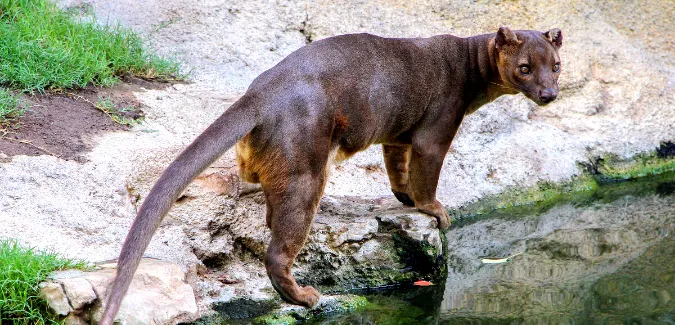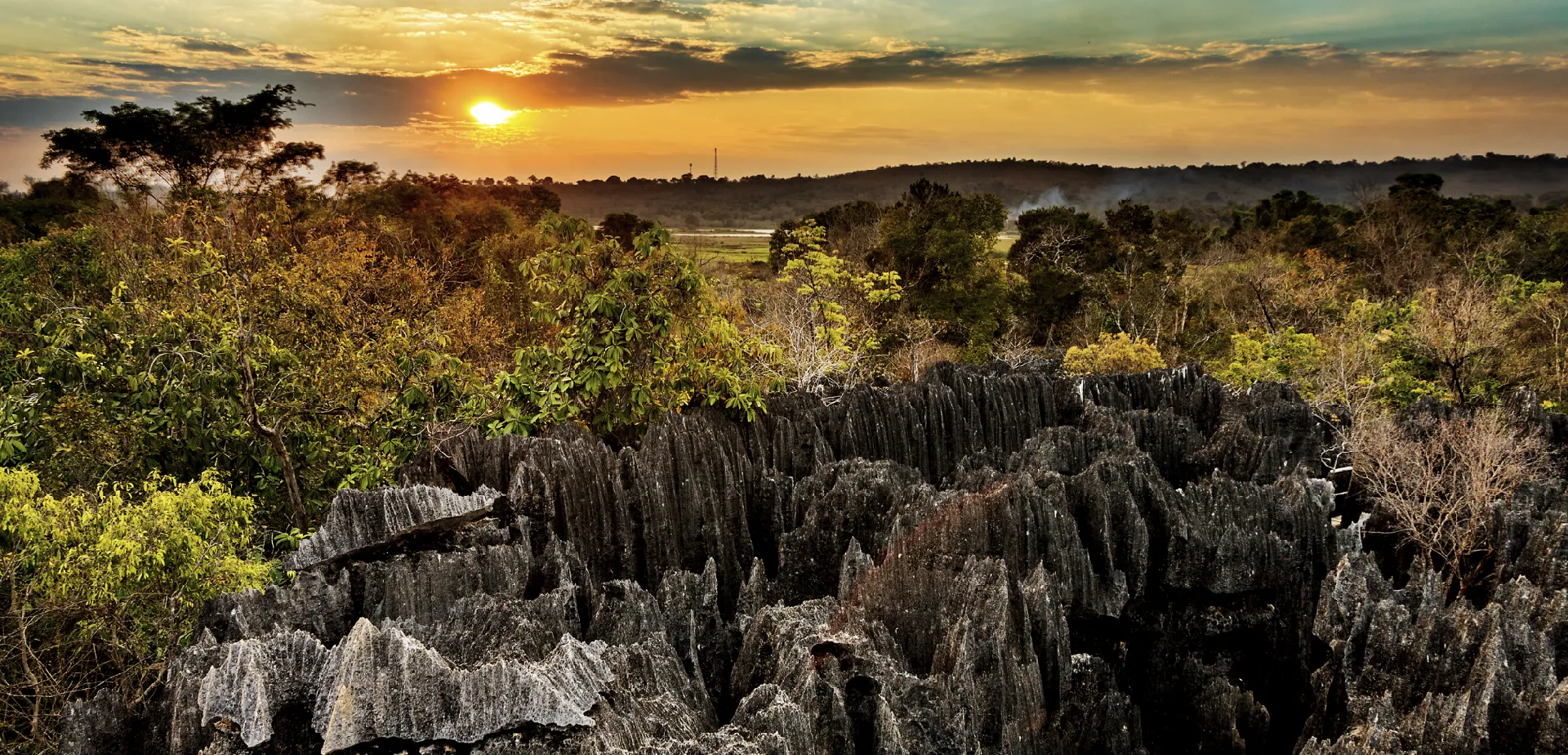
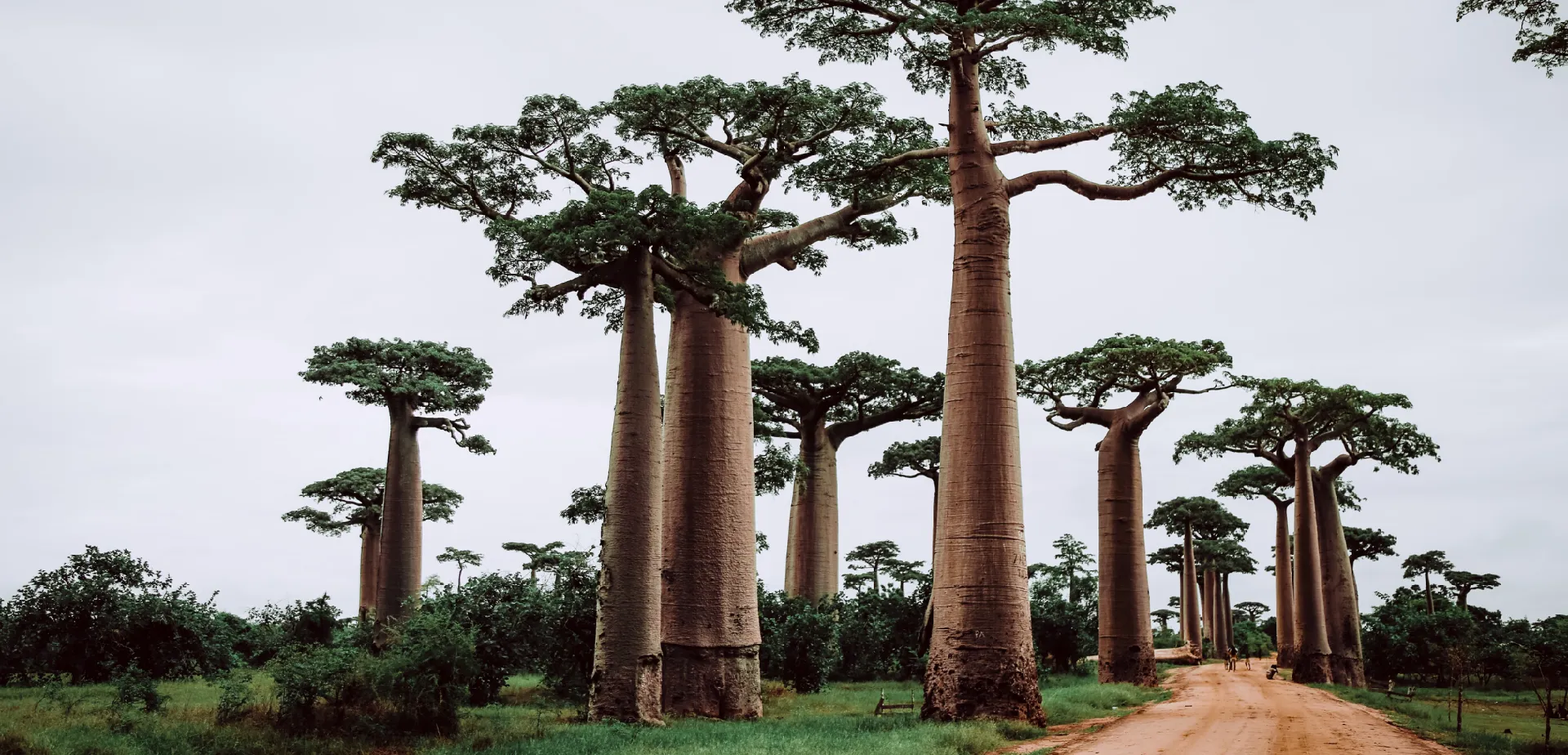
A forest walk is more rewarding when your guide helps you notice what you would otherwise miss. A conversation with a craft maker can change how you understand the work behind a souvenir. Responsible tourism begins with these encounters, and with the choices that determine who benefits from a journey.
What responsible travel can change
Tourism can bring income to people who guide walks, drive vehicles, prepare meals and welcome guests. Spending can also reach businesses supplying those services. That potential matters, but it is not automatic. Where money goes, how people are treated and how places are managed all make a difference.
Keep local knowledge at the heart of the journey
We are a local tour operator in Madagascar, and we work with local guides in the places we visit. Their knowledge adds context to a landscape, from recognising wildlife to explaining local customs. Choosing local expertise values that work and gives travellers a better understanding of the places they have come to see.
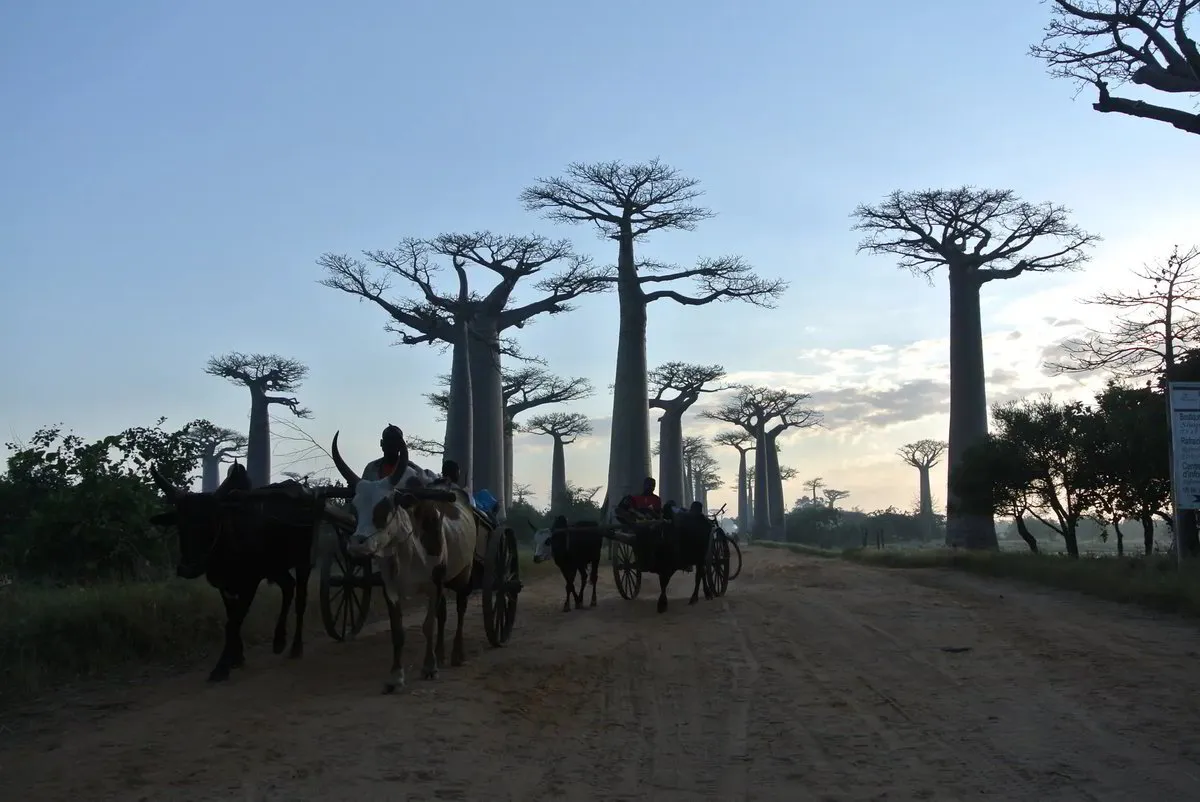
Conservation needs more than visitors
Madagascar's protected areas connect the care of natural habitats with the lives of surrounding communities. Tourism can be one source of support, but it does not stop forest loss by itself. During a visit, follow your guide's instructions, keep a respectful distance from wildlife and avoid feeding or disturbing animals. A sighting should never come at their expense.
Value skills, not just scenery
Guiding, cooking, transport and hospitality are skilled work. Responsible travel means recognising the people doing it, rather than treating them as part of the background. When buying crafts, ask about the maker and the materials. If you want to support an education or conservation initiative, ask who runs it and how your contribution will be used.
Meet people with respect
Cultural exchange works best when it is welcomed, not demanded. Ask before taking photographs of people. Let your guide explain what is appropriate in the place you are visiting, and respect a decision not to participate. Everyday life does not have to become a performance for a visitor to find it interesting.
Ask clear questions before you book
An appealing label is not enough to explain how a trip operates. Ask who will guide you, what is included and whether any claimed community contribution has a named recipient. Clear answers are more useful than sweeping promises about changing a country through travel. We welcome questions about our programmes before you decide.
Leave room to notice
A thoughtful journey is not only about doing less harm. It is also about paying attention: listening to your guide, understanding a place beyond its best known photograph and giving a conversation time to develop. There is room for adventure without treating every landscape as something to conquer or every encounter as something to collect.
Our part in responsible travel
We keep our groups genuinely small and use local guides in the places visited. Those are practical choices, not a claim that every holiday solves a conservation challenge. If you are considering travelling with us, explore our tours and ask us about your plans. Responsible travel starts with knowing what you are choosing.
Questions about responsible tourism
Does visiting Madagascar automatically fund conservation?
No. Tourism can support local livelihoods and protected areas, but specific funding claims need a clear mechanism and recipient. Ask for details rather than assuming that every booking includes a donation.
Should every trip begin and end at Ivato Airport?
No. Our programmes have different start and finish locations. Check your chosen tour's route and discuss your arrival and onward travel with us before booking flights.