Historical context: This article looks back at events in September and October 2025. It is not a current travel safety assessment.
In September and October 2025, Madagascar’s young people brought everyday concerns into the centre of national debate. Repeated electricity cuts and water shortages helped spark protests that grew into demands for better government and accountability. The events became widely associated with the country’s Gen Z movement.
For anyone trying to understand Madagascar beyond its landscapes, this was an important chapter. It was also a painful one. A useful account needs to recognise the protesters’ concerns, the violence that occurred and the uncertainty surrounding the political transition, without presenting any of them as a tourism attraction.
Why the protests grew
Students and young activists were prominent in the early demonstrations. Their concerns were practical: reliable water, electricity and opportunities for a better daily life. As protests expanded, professional groups and civil society participants joined them, and the discussion broadened to corruption and inequality.
The UN reported loss of life and property damage during the unrest. Describing the entire period as peaceful would leave out the people harmed and the disruption experienced by communities.
From protests to a military takeover
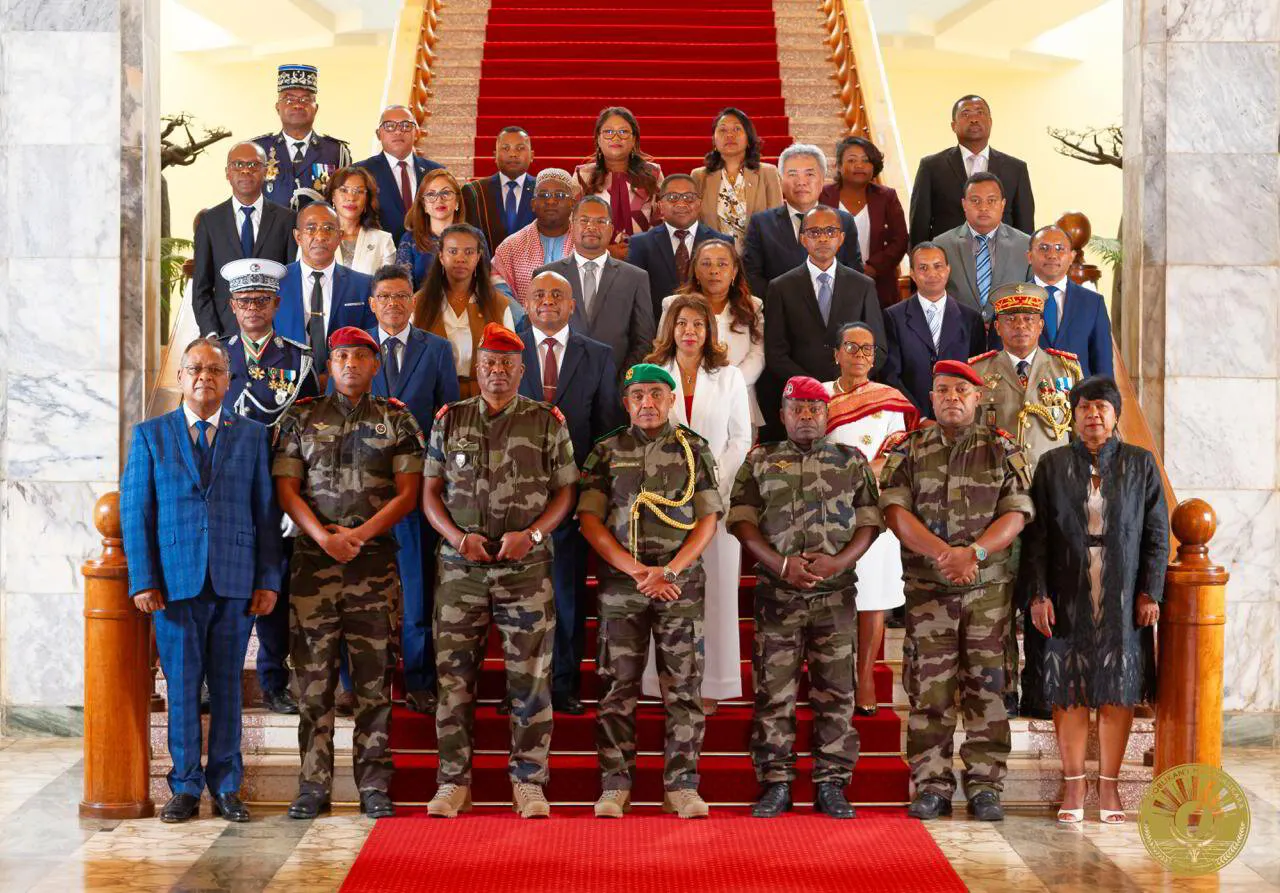
President Andry Rajoelina left the country during the crisis. On 14 October 2025, the military seized power. The African Union condemned the unconstitutional change of government and, the following day, suspended Madagascar from its activities pending restoration of constitutional order.
On 16 October, the UN Secretary General also called for a return to constitutional order and the rule of law. These were responses to the events of that time. They should not be read as a description of Madagascar’s government or international relationships today.
Accountability and everyday needs
The protests brought questions about public services and accountability to the fore. A change of leadership did not, by itself, demonstrate that those needs had been met.
For that reason, we do not present political promises, unverified allegations or hopes for recovered public money as established results. The concerns behind the movement deserve more careful treatment than a simple story of national renewal.
What this history means for a traveller
An account of 2025 cannot tell you whether a particular journey is appropriate now. Check your government’s latest travel advice before booking and again before departure. Avoid political demonstrations and ask about the practical arrangements for your chosen route.
Our tours do not all begin and finish in the same place. Check the start and finish of your specific itinerary before arranging flights. Ask us about the route you are considering rather than treating an old article as confirmation of transport schedules or local conditions. Our travel information is a starting point for planning, not a substitute for current official advice.
Listening without taking sides
As a local tour operator in Madagascar, we work with local guides in the places we visit. We encourage respectful conversations without expecting anyone to represent a whole country or share their political views. People’s daily lives matter more than a visitor’s preferred story about what a political change means.
Questions readers ask
Does this article say Madagascar is safe to visit today?
No. It explains historical events. Current travel decisions require fresh official advice and checks relevant to your itinerary and dates.
Was the 2025 movement entirely peaceful?
No. UN reporting documented deaths, violence and damage during the unrest. That does not mean every protester was involved in violence.